

Gaelsport
Scaling Gaelsport to 15k weekly active users
Overview
Gaelic games are Ireland’s national sports, followed by a large domestic audience and a global diaspora, particularly in the UK, North America, and Australia. Despite this following, fans lacked a simple, mobile-first way to follow games outside traditional broadcast coverage.
At launch, information was fragmented. Fixtures were shared informally, scores surfaced inconsistently across unofficial sources, and broadcast details were often unclear. Fans regularly switched between multiple websites, social feeds, and group chats to follow a single match.
Gaelsport was a early-stage consumer app built to consolidate this fragmented information into a single match-cycle companion. Rather than competing on commentary or deep statistics, the product focused on timely information, low friction, and returning usage across the week, with shared end-to-end ownership across design and engineering.
Product
Gaelsport Mobile Apps
Role
Co-Founder and Product Designer
Platform
iOS, Android
Team
Engineering co-founder
Market
The Gaelic games app landscape showed clear demand, but no established standard for how fans followed matches on mobile. Existing solutions validated interest, yet none had become the default place fans returned to consistently across the match cycle.
This created an opportunity to win market share by aligning the product to how fandom actually works. Fans don’t engage with sports in a single moment. They check fixtures days in advance, look up broadcast information closer to kick-off, follow scores during play, and review tables and news afterward.
Gaelsport aimed to support that cadence reliably, becoming the place fans returned to at each stage rather than competing for constant attention.
Problem
Across the week, fans faced recurring friction:
Fixtures were difficult to track or confirm
Broadcast and streaming details were scattered or unclear
Live scores were inconsistent during matches
Post-match context required jumping to other sources
The problem was not missing information, but fragmentation across time, which prevented any single product from becoming a regular reference point.
Constraints
Several constraints shaped how Gaelsport could be built.
There was no official real-time data API, requiring alternative approaches to live updates. The team consisted of two founders, limiting resourcing and demanding careful prioritisation. Live sport introduced unpredictable spikes in usage, where visible issues would immediately reduce returning use.
Shortly after launch, the COVID-19 pandemic halted live Gaelic games entirely, removing the product’s most obvious use case and forcing a reassessment of how Gaelsport could remain relevant between matches.
Given these constraints, the focus was on supporting the match cycle reliably, not on feature breadth or speculative expansion.
Role and collaboration
This was a founder collaboration with shared ownership across product, design, and technical decisions.
I led product direction, experience design, feature prioritisation, and early growth, working in a high-bandwidth loop with my engineering co-founder. Most decisions were made collaboratively at the whiteboard, allowing trade-offs to be resolved quickly without heavy process.
Key insight
Returning usage in sports products is driven by timing, not repetition.
Fans don’t need everything at once. They need the right information at the right moment across the week. A product earns returning usage by fitting naturally into this rhythm, not by trying to maximise engagement in a single session.
This reframed the work from building a feature-rich sports app to building a dependable companion across the match cycle, increasing the likelihood that fans would return before, during, and after games.
Fans don’t want everything at once, they want the right information at the right moment.
This insight translated directly into how match information was structured across the product.
Pre-Match
During Match
Post Match
Prioritisation
Feature decisions followed a return-usage-first framework.
Each feature was evaluated against three questions:
Does this support a specific moment in the match cycle?
Does it reduce friction or uncertainty at that moment?
Can it be delivered without slowing or destabilising the experience?
This led us to prioritise fixtures, broadcast access, live scores, and tables early. Personalisation and deeper statistics were deliberately deferred until the core flow proved valuable and stable across real match cycles.
User signals and feedback loops
Decisions were informed by continuous behavioural and qualitative signals rather than formal research cycles.
Inputs included:
In-app feedback, often submitted during live matches.
App Store reviews, highlighting recurring expectations and friction.
Firebase and Google Analytics, tracking return frequency across the week.
A lightweight CSAT survey with 70 active users.
Across these inputs, a consistent pattern emerged. Clarity, speed, and predictability drove satisfaction and returning use. Requests for advanced statistics or heavy customisation appeared in feedback, but did not correlate with higher return frequency.
These signals reinforced the focus on match-cycle support over feature expansion.
Design approach
Gaelsport was designed as a lightweight, resilient information utility.
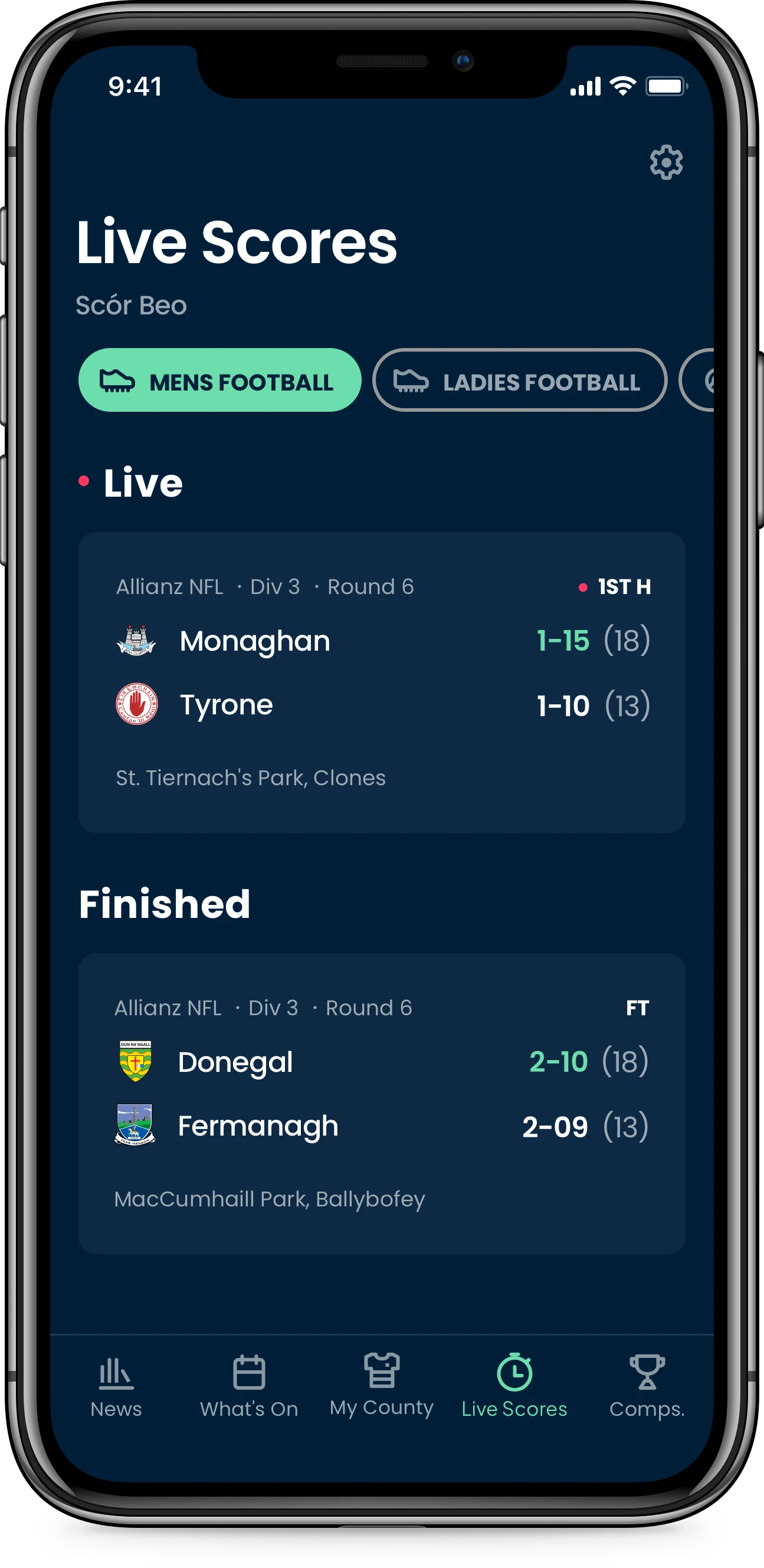
Live scores used a hybrid ingestion approach optimised for coverage and consistency rather than theoretical scale. Updates were intentionally conservative to avoid disruptive changes during matches.
During peak fixtures, the system was actively monitored, with selective manual intervention used to resolve edge cases and preserve a stable experience.
Principles
Reliability before features
Speed over depth
Clarity over density
Predictable behaviour under uncertainty
Decisions
Chose stable score updates over live animation
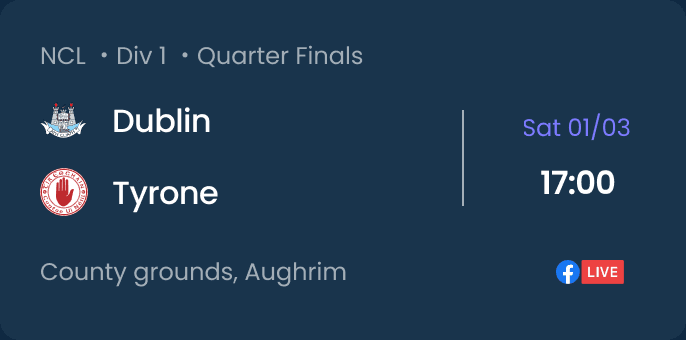
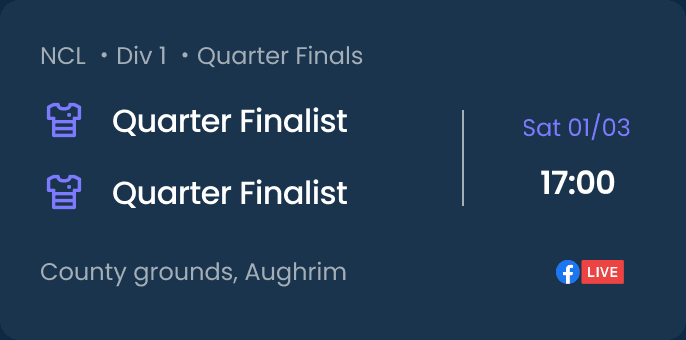
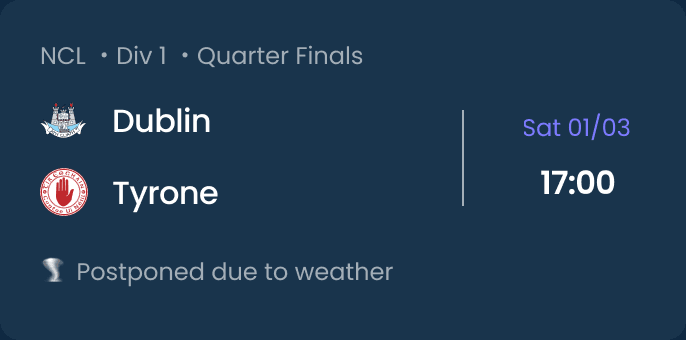
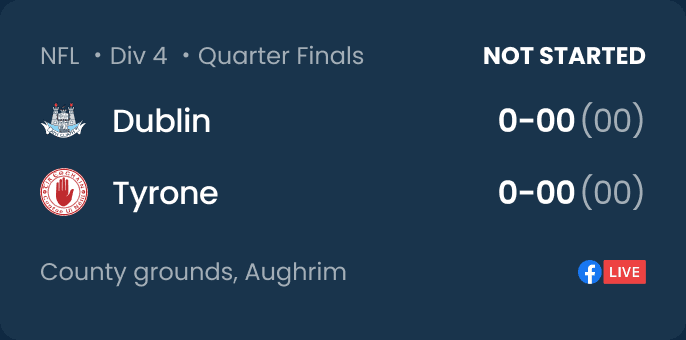
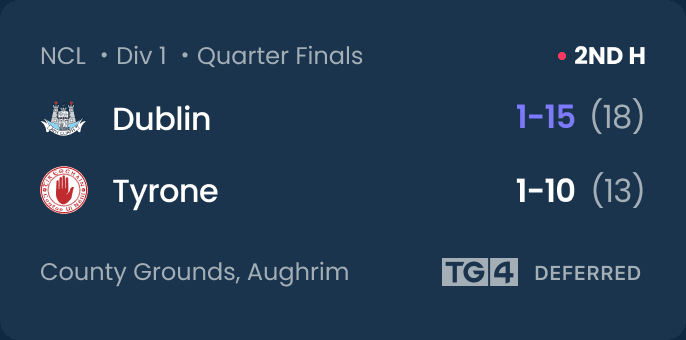
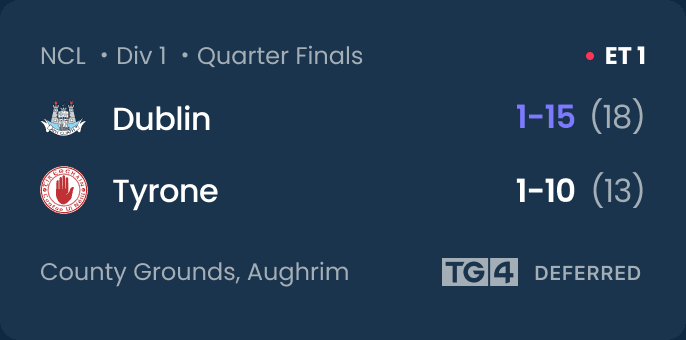
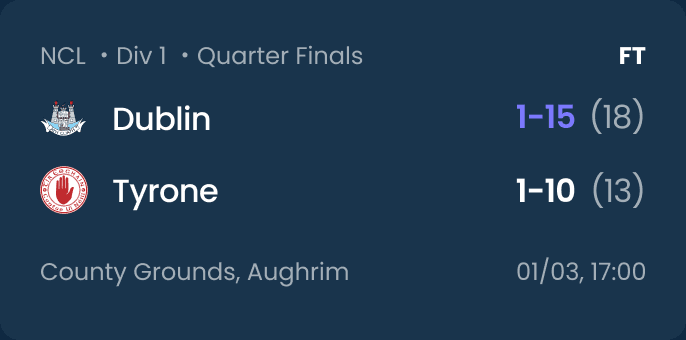
Standardised card system across all match states
Accepted manual oversight during peak fixtures
Core match-day journeys
Before the match
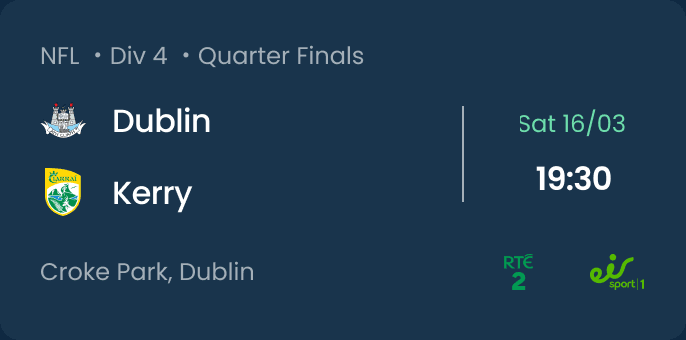
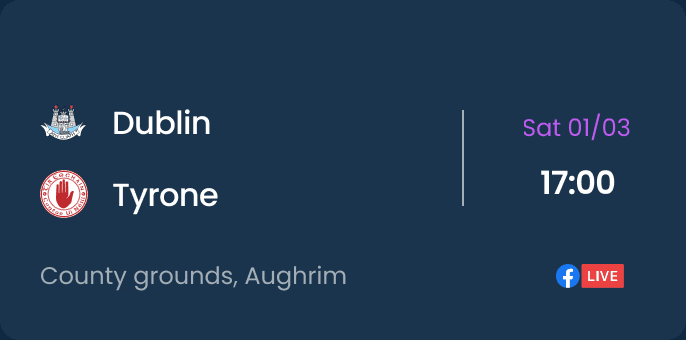
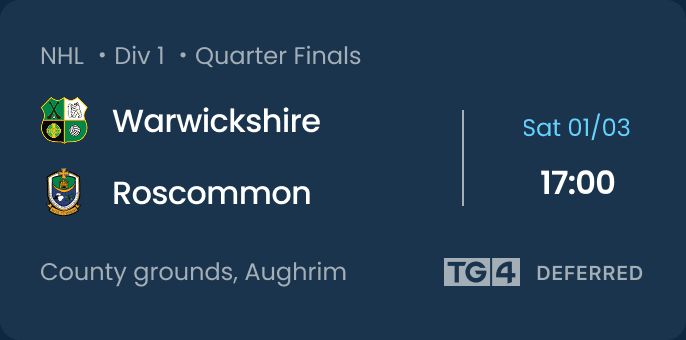
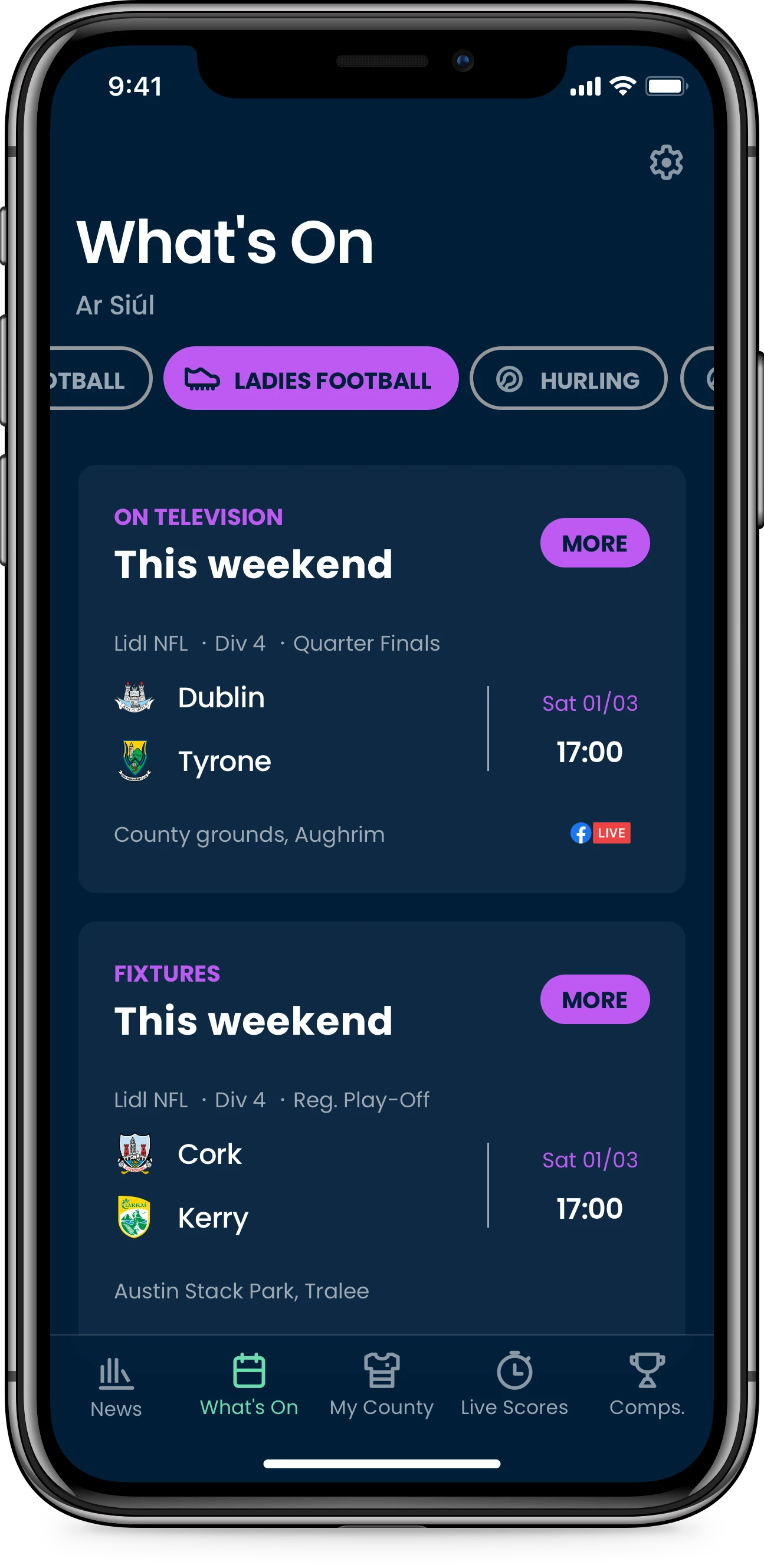
Fans checked fixtures and broadcast details days in advance to plan viewing or listening. Information was surfaced early and updated as details became available.
During the match
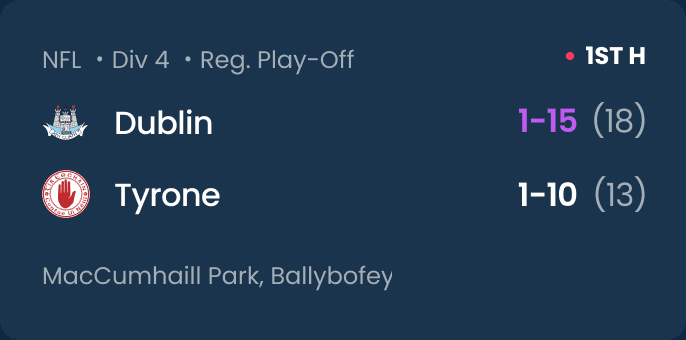
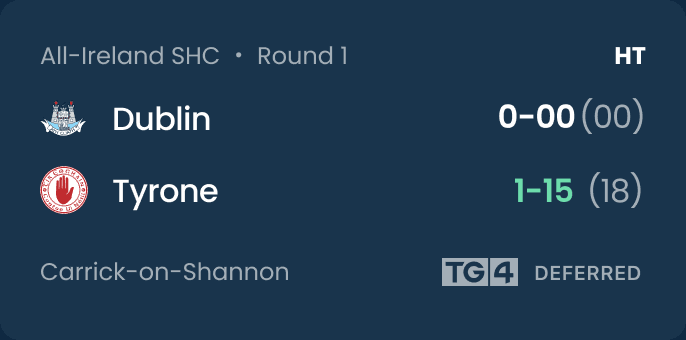
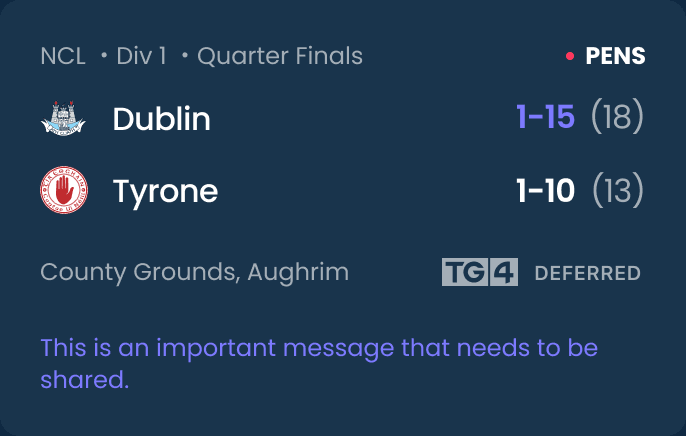
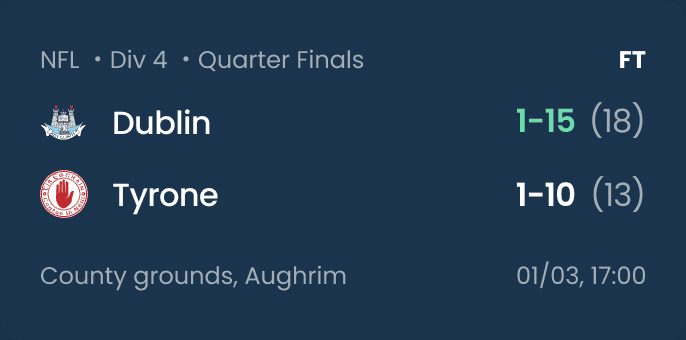
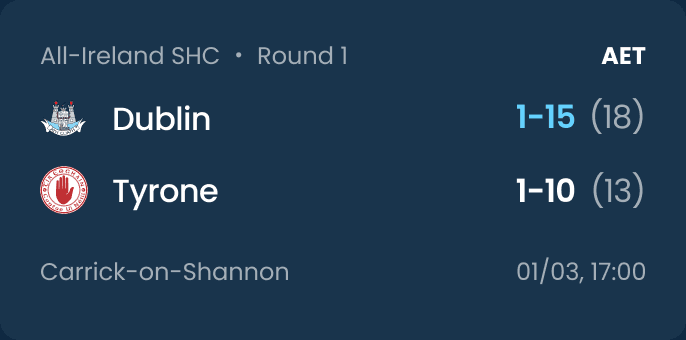
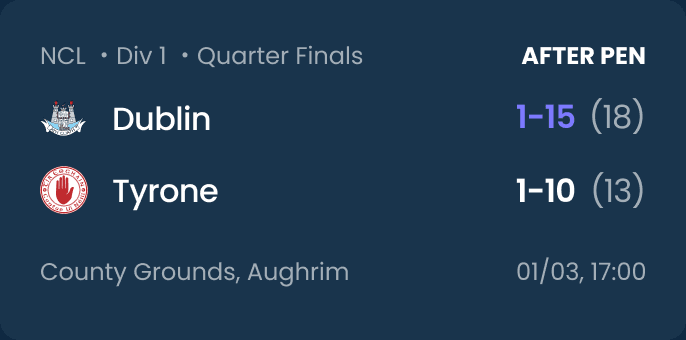
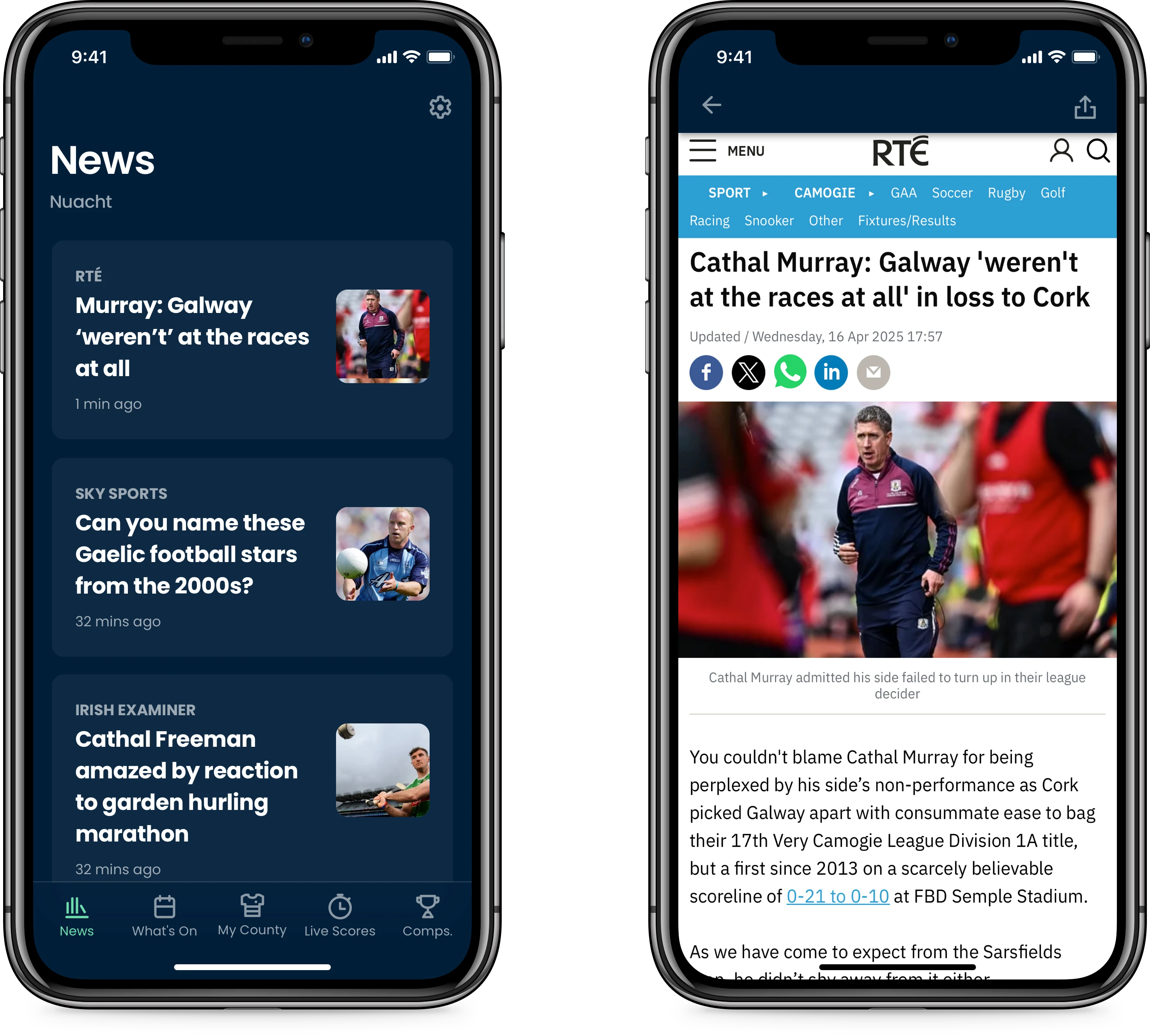
Live scores were presented in a stable, card-based layout that supported partial or delayed updates without disrupting the experience.
After the match
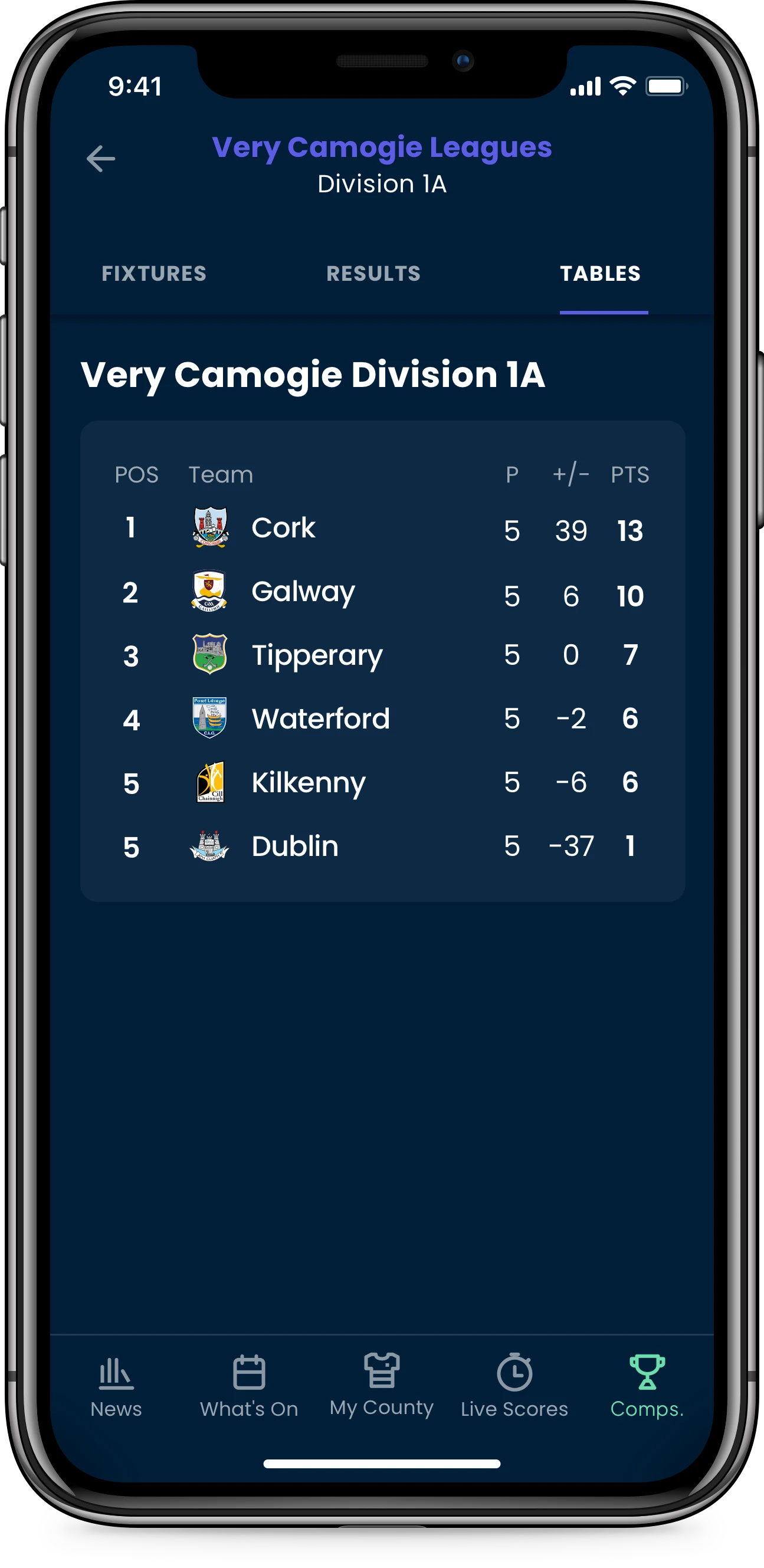
Tables updated automatically at the close of games, providing immediate context. News and analysis supported continued engagement between fixtures.
Coverage and parity
A deliberate decision was made to prioritise broad match coverage, including competitions that were historically underrepresented digitally.
Women’s sports were treated with equal structural importance to men’s competitions. This increased overall coverage and reinforced Gaelsport as a comprehensive reference point across the sport.
Accuracy vs scale
Two approaches to live scoring were considered.
Option A: Higher automation for faster scale
Reduced operational effort but increased the likelihood of visible inconsistencies.
Option B: Conservative updates with oversight
Limited early scale and added operational cost, but preserved consistency across the match cycle.
We chose Option B, accepting slower scale in favour of a product fans would reliably return to each week.
Product growth
I led growth directly combining product-led adoption with focused acquisition experiments.
Early traction came from organic community engagement, particularly in Reddit and Facebook groups where fans already discussed fixtures and results. The app was shared selectively around live matches so first impressions aligned with moments of peak usefulness.
In parallel, I owned SEO and App Store Optimisation, iterating keywords, copy, and screenshots to reflect how fans searched for scores, fixtures, and broadcast information.
We also ran small, controlled paid acquisition tests across Facebook, Twitter, and Instagram to validate demand, messaging, and cost of acquisition. Spend was intentionally capped and paced to avoid scaling faster than match-day performance could support.
Across all channels, the goal was not maximising installs, but increasing returning usage across the match cycle. As patterns stabilised, word of mouth became a primary driver around high-profile fixtures.
COVID-19: sustaining value without live sport
Outcomes
Gaelsport grew from 500 users in week one to 15,000+ weekly active users within twelve weeks, sustaining approximately 20 percent week-on-week organic growth.
The app maintained a 4.8-star rating on the App Store and 4.7 on Google Play, and won Best App Design at the 2020 IDI Awards.